What McKinsey and Deloitte are actually seeing
If you read past the headlines, the big consulting surveys are all circling the same idea.
McKinsey’s latest State of AI work looked at 25 different things companies are doing around generative AI. Out of all of them, the single factor most correlated with bottom line impact was not “buy more models.” It was redesigning workflows around AI so the work itself changes.
In the same survey, only about one in five organizations that use gen AI say they have fundamentally redesigned at least some workflows. That is a pretty small group getting most of the value.
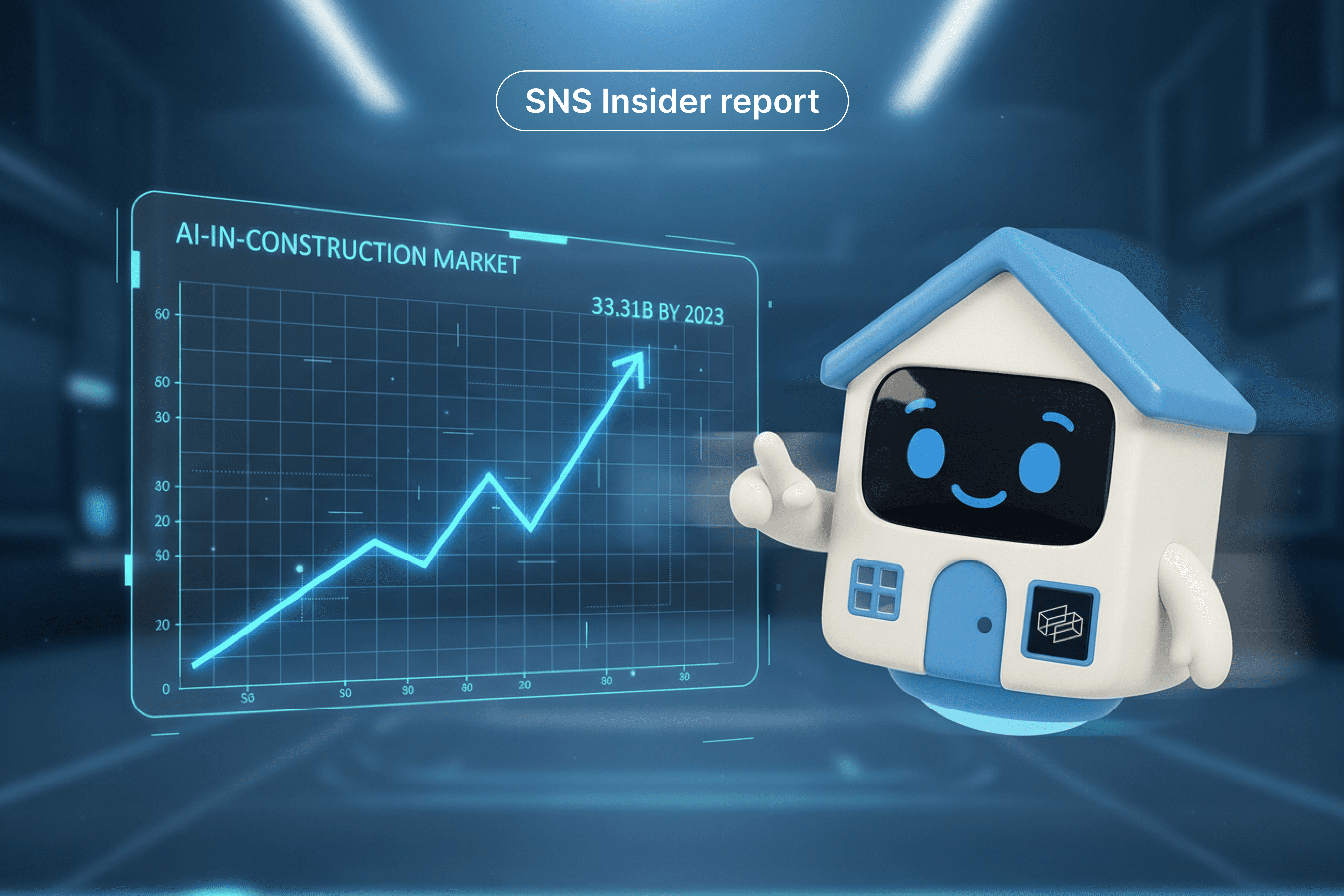
Deloitte’s research on AI in the workplace and human capital tells a similar story from a different angle. Adoption is moving fast. Leaders expect gen AI to transform their organizations. But they also admit that the hard part is not the model, it is the organizational change around it - data foundations, governance, risk, and how people actually work.
Put simply: AI on its own does not create value. AI plus a rewired workflow, with humans still in the loop, does.
That is the pattern we pay attention to.
What that means inside an engineering workflow
In our world, the “workflow” everyone pretends is simple looks more like this:
Architect finishes a set.
Structural, MEP, and energy engineers all do their work, often in parallel.
Someone tries to stitch it together right before submittal.
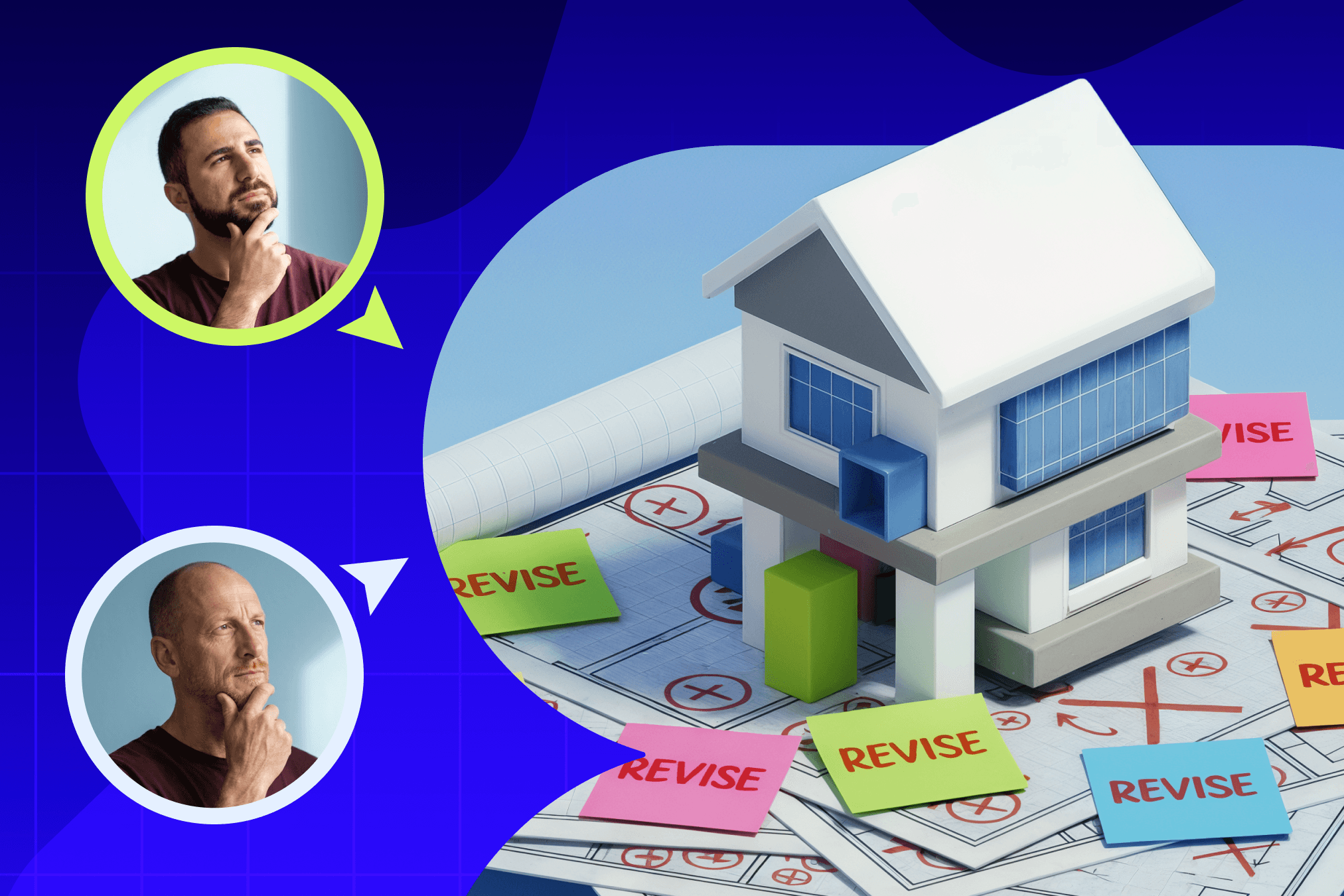
The city reads it and finds all the places where reality does not match the story.
You can drop the fanciest AI model on top of that and still get the same outcome: late surprises, more comments than anyone wants, and a lot of time spent digging through sheets.
So at Spacial we did the thing McKinsey keeps talking about. We rewired the workflow itself.
Instead of treating AI as a separate app somewhere off to the side, we put AI agents directly into the engineering path between “architectural drawings” and “stamped, permit ready set.”
Here is what those agents actually do:
Read through drawings for structural patterns that usually cause trouble, like missing or inconsistent shear walls.
Compare loads, spans, and sections to catch numbers that are out of sync.
Look for conflicts between beams, ductwork, and piping that are easy to miss when you are tired.
Cross check energy assumptions, envelope details, and common local requirements that often generate questions.
None of that replaces an engineer. It just means that by the time a human sits down with the set, the obvious risks are already on the table.
Where the engineers come in
The engineers still do the part that matters most.
Licensed structural, MEP, and energy engineers are the ones who:
Decide what is safe and what is not.
Weigh constructability, cost, and field conditions.
Resolve clashes in ways that make sense for the project, not just for the model.
Take responsibility for the stamp on the drawings.
Practically, our flow looks like this:
AI agents scan the full set.
They surface possible clashes, missing details, and likely code triggers.
Engineers review the flags, decide what is actually important, and make the design changes.
The system loops until the engineering set is coordinated and ready to submit.
It is exactly the kind of “AI plus experts” pairing that Deloitte talks about when they describe organizations that are starting to turn early pilots into real value at scale.
The agents give us breadth. The engineers give us depth and judgment.
A simple example from everyday work
Here is a very ordinary pattern we see on residential projects.
The architectural model shows a clean ceiling line through a living space.
The structural framing layout has a beam running across part of that span.
The MEP design routes a main duct through the same bay.
On paper, with each discipline living on its own sheet, nothing screams “problem” until late in the process.
Our agents are trained to look for these overlaps. They flag a potential conflict between the beam envelope and the mechanical path.
A structural engineer and a mechanical engineer look at the condition together. Maybe they adjust the beam size and the duct routing. Maybe they tweak the framing strategy. The point is, the conversation happens early, with context, instead of arriving later as a comment from the city or an RFI from the field.
One clash like that is not heroic. Hundreds of small catches like this across structural, MEP, and energy are where the real benefit shows up.
Why this matters to architects and builders
From the outside, all of this can sound very abstract.
If you are an architect or builder, the questions you really care about sound more like:
How long will it take before I have a coordinated, stamped engineering package in my hand?
How many times is this going to bounce back from plan review for things we could have caught earlier?
How much of my team’s week will be spent chasing corrections instead of working on the next project?
We cannot control what any specific reviewer will do or how fast a jurisdiction can move. No honest partner can.
We can control:
That structural, MEP, and energy are coordinated under one roof.
That AI agents and engineers are both looking for problems before the city does.
That most projects move from complete architectural drawings to a stamped, permit ready engineering set in days, not months, because we are not reinventing the process every time.
This is what “rewiring the workflow” looks like in practice for us. It is taking the spirit of what McKinsey and Deloitte are seeing in large enterprises and applying it to a very specific, very messy, very real piece of the built environment.
Where we go from here
I am not excited about AI as a slogan. I am excited when I see less avoidable friction between architects, engineers, and cities.
The big surveys say the same thing in more polished language:
AI delivers the most value when it comes with workflow redesign, leadership attention, and humans in the loop.
Organizations that lean into that combination are already pulling ahead of those that are just experimenting on the side.
Spacial is our version of that idea for residential engineering.
AI agents do what they are good at. Engineers do what they are good at. The workflow is built around both.
If you are experimenting with AI in your own practice and trying to figure out where it belongs in your process, I am always happy to compare notes.