The way we build is changing.
For decades, structural engineering has been defined by manual calculation, iterative back and forth, and time intensive plan reviews. Today, artificial intelligence is unlocking a new era of precision and speed without sacrificing safety, code compliance, or human oversight.
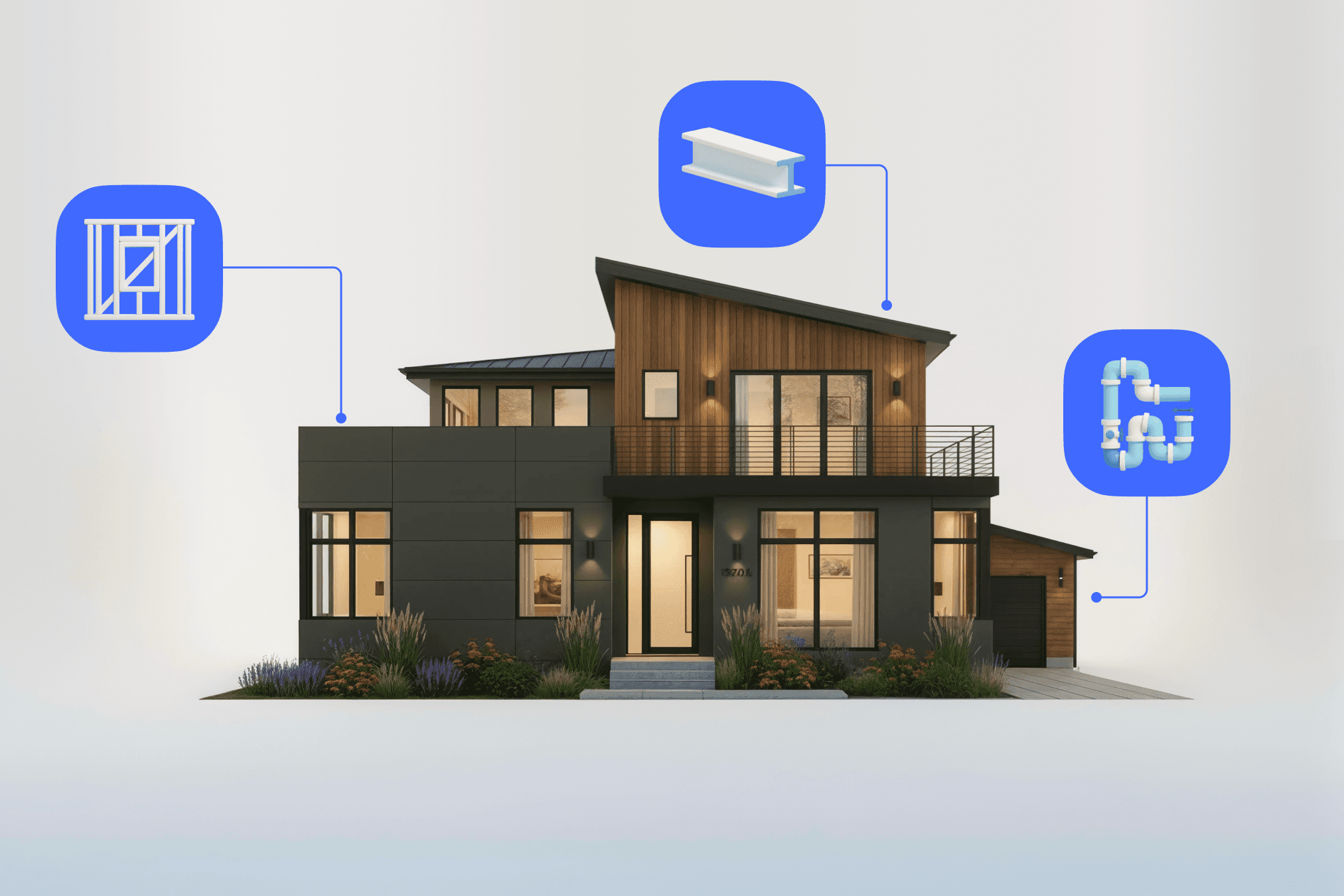
At Spacial, we are building an engineering platform that pairs AI with licensed professionals so structural work, MEP systems, and energy calculations can move faster and stay coordinated, all the way to a stamped, permit-ready set.
The bottlenecks we have all faced
Ask any architect, builder, or engineering lead and you will hear a similar story. The process of getting structural plans reviewed and approved often includes weeks, if not months, of:
Email chains with engineers and consultants
Conflicting markups from cities and reviewers
Revisions on top of revisions, each triggering delays
This is not just frustrating. It is expensive. Time spent waiting on redlines is time not spent building, not spent serving clients, and not spent moving the rest of the project forward.
What AI can do, and what it should not
AI is not here to replace structural engineers. It is here to take on the repetitive, rule based parts of the workflow so that experts can focus on what they do best.
In structural engineering, the right automation can:
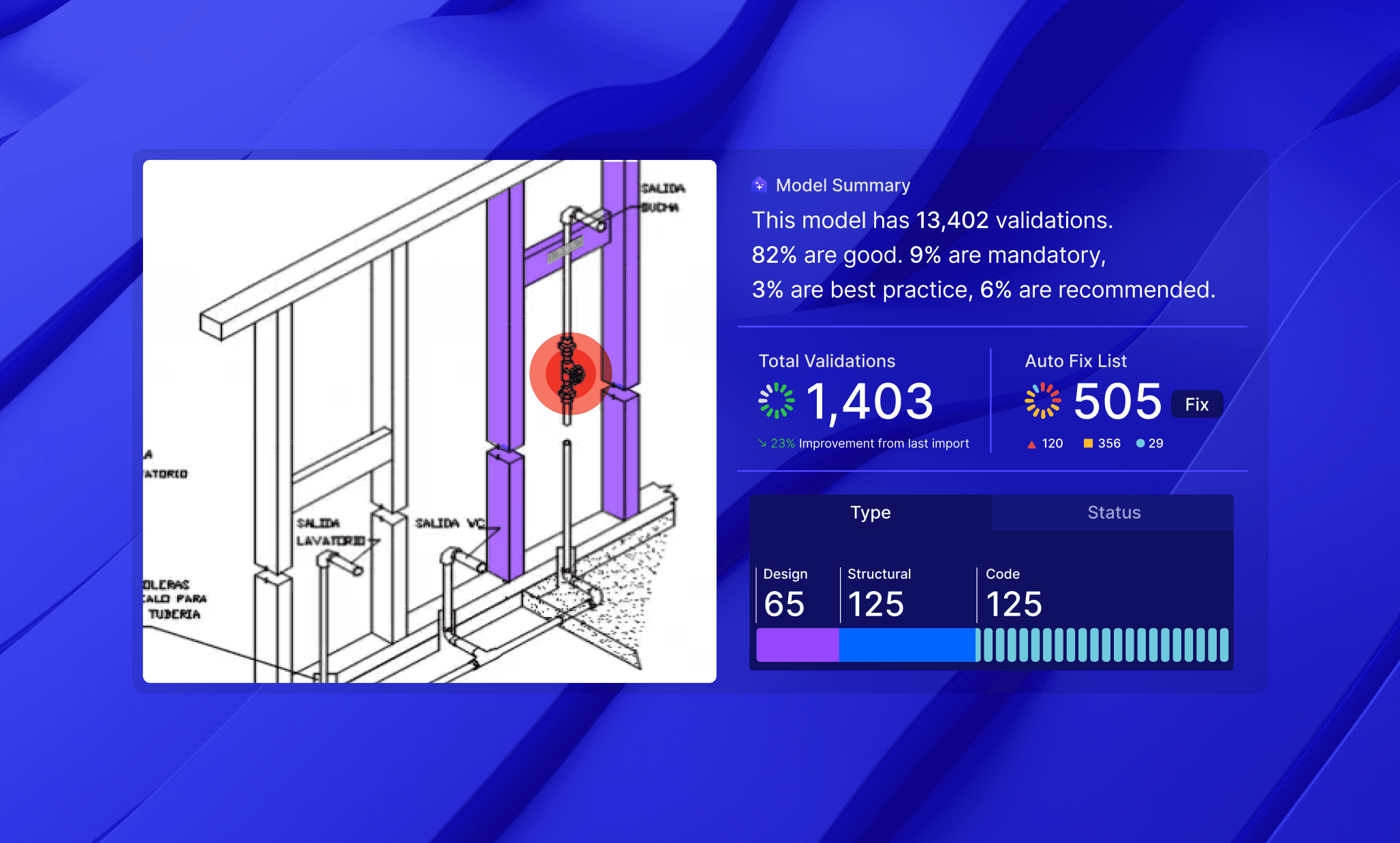
Run real time checks against regional and local building codes
Highlight missing connections, misaligned elements, and potential load path problems
Auto generate structural markups and suggestions based on inputs and past projects
Surface code conflicts and compliance risks before permit submission
Just as important is what AI does not do. It does not make subjective design calls. It does not hold an engineering license. It does not bypass the human review process.
At Spacial, licensed engineers always review, approve, and stamp every final plan set. AI acts as a fast, consistent reviewer in the background. The responsibility and judgment stay with humans.
From weeks to days
In traditional workflows, structural review alone can add two to three weeks to a project timeline, especially when multiple consultants are involved.
With Spacial, structural and MEP AI agents begin working as soon as a set is uploaded. They parse the drawings, compare them against code logic, and flag likely issues in minutes. That accelerates the early cycles of review so that engineers can focus on resolving the right problems instead of hunting for them.
Most projects reach permit-ready in roughly one to two weeks, with the software doing its pass early and licensed engineers spending their time on coordination, judgment, and final stamps, not on manual scanning. The result is fewer surprises, fewer resubmittals, and a shorter distance between “this looks good” and “this is ready for the city.”
Builders spend less time waiting. Architects see their designs move forward faster. Engineering teams get a clearer, more structured way to apply their expertise.
Why this matters now
The AEC industry is already in motion:
Cities are moving toward digital permitting and structured submittals.
Architects are adopting BIM and model based workflows as a default.
Builders and engineering firms are under pressure to do more with the same or smaller teams.
The missing piece has been a way to connect design intent to code aware, buildable engineering without adding even more manual work.
Automation, done right, fills that gap. It does not eliminate the need for expertise. It amplifies it. AI helps make the invisible visible so that structural engineers, MEP teams, and energy specialists can see the impact of their decisions earlier and with more context.
Built for engineers. Designed for speed.
Spacial’s automation engine is trained on real plans, building codes, and regional standards. It understands structural patterns, common failure modes, and the code rules that drive them. On top of that, it incorporates MEP and energy logic so that systems align with the structure instead of fighting it.
Our advantage is not just the AI itself. It is how we combine:
Human engineering oversight from licensed structural, MEP, and energy engineers
Regional code intelligence and AHJ specific expectations
Workflows that respect architectural intent and builder realities
Everything is designed to fit into how projects actually move, from floor plan to permit-ready set.
The result is an AI powered structural review that is fast, reliable, and grounded in real engineering practice, supported by coordinated MEP and energy work where needed. Plans move through the system quickly, but they do not leave our hands until a licensed engineer is comfortable putting their name and stamp on the set.
Where this is going
Structural engineering is not becoming less important. It is becoming more central, more data heavy, and more intertwined with mechanical, electrical, plumbing, and energy decisions.
AI is changing how that work gets done, but it is not changing what it means to be responsible for a structure. In many ways, it is a return to the craft. Less time on repetitive checks and version control. More time on behavior, edge cases, and the details that keep people safe.
At Spacial, that is the future we are building toward:
AI that runs early checks and coordination in the background
Licensed engineers who stay in control of the decisions and the stamps
Structural, MEP, and energy plans that arrive permit-ready in days, not months
Engineering stays human. The workflow gets smarter. And the projects on the other side are safer, clearer, and easier to build.