The short version
Most review cycles stretch for one reason: the set does not answer a basic verification question on its own.
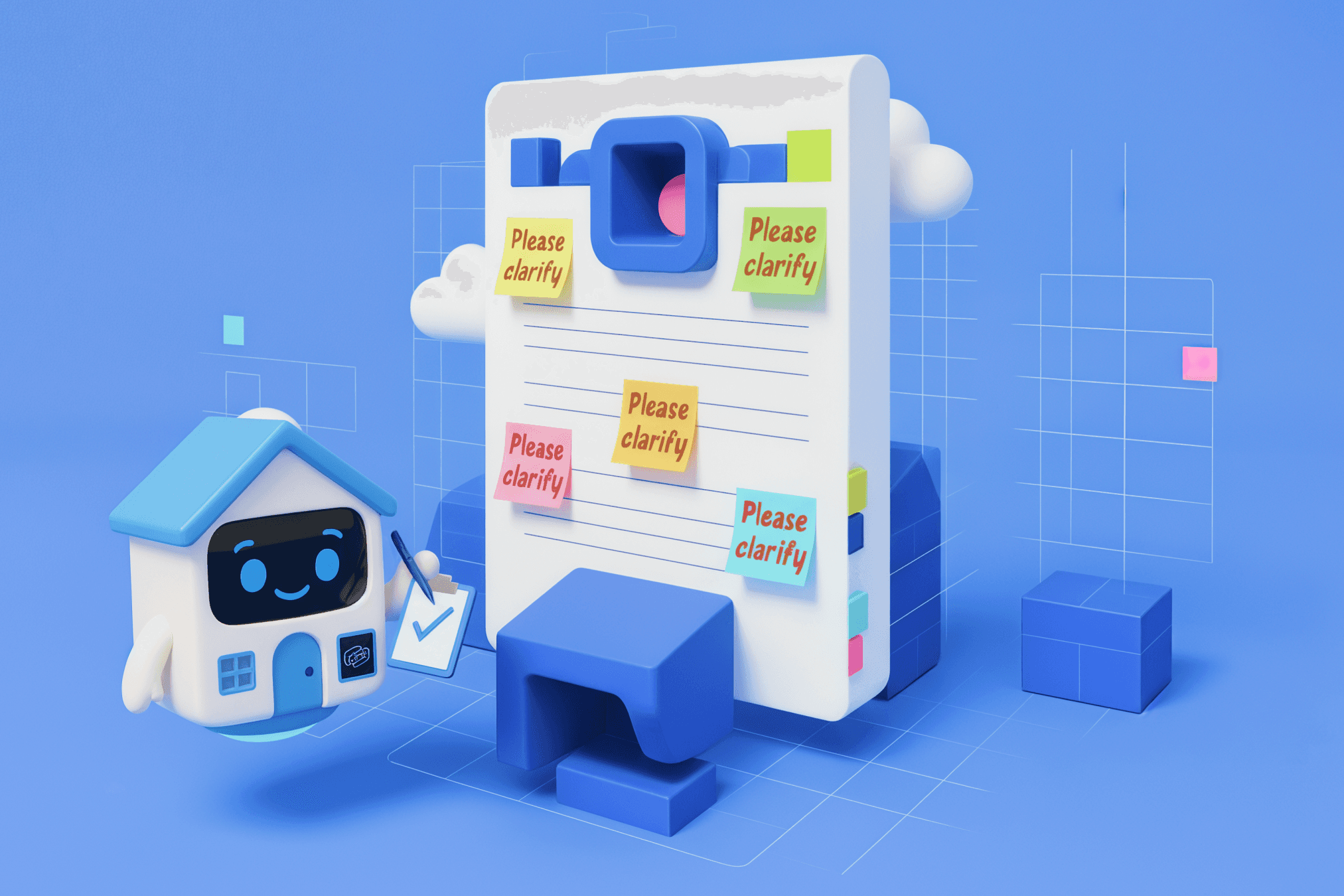
Reviewers do not have your context. They have a queue, a checklist, and a job to reduce risk. If the set requires interpretation, you get “please clarify.”
Why “please clarify” shows up so often
In our world, recurring comments usually trace back to missing context, not bad engineering.
“Please clarify” is the reviewer saying:
“I cannot verify this quickly, and I’m not guessing.”
What we’ve learned from real projects:
Clarity beats cleverness.
Consistency beats volume.
A clean revision story beats long email threads.
The shift we are watching
Permitting and plan review workflows are getting more structured. That shows up in real initiatives and pilots focused on digitization and pre-check behavior, including ICC’s work around digital permitting modernization and LA County’s eCheck pilot within its rebuild process.
The headline is not AI.
The headline is verification.
When verification gets more structured, contradictions and missing context get surfaced faster.
What “verifiable” actually means
A verifiable set answers reviewer questions without requiring a meeting.
Three practical tests:
The scope is obvious
If scope and assumptions are implied instead of stated, the reviewer has to infer intent. Reviewers do not infer. They comment.
The story is consistent across the set
If structural intent, MEP intent, and energy intent drift across notes, details, and sheets, the reviewer becomes your coordinator.
The revision story is clean
If changes are hard to identify, or only reflected on some sheets, the reviewer slows down. Even correct engineering gets questioned when the revision trail is unclear.
Where Orbit fits
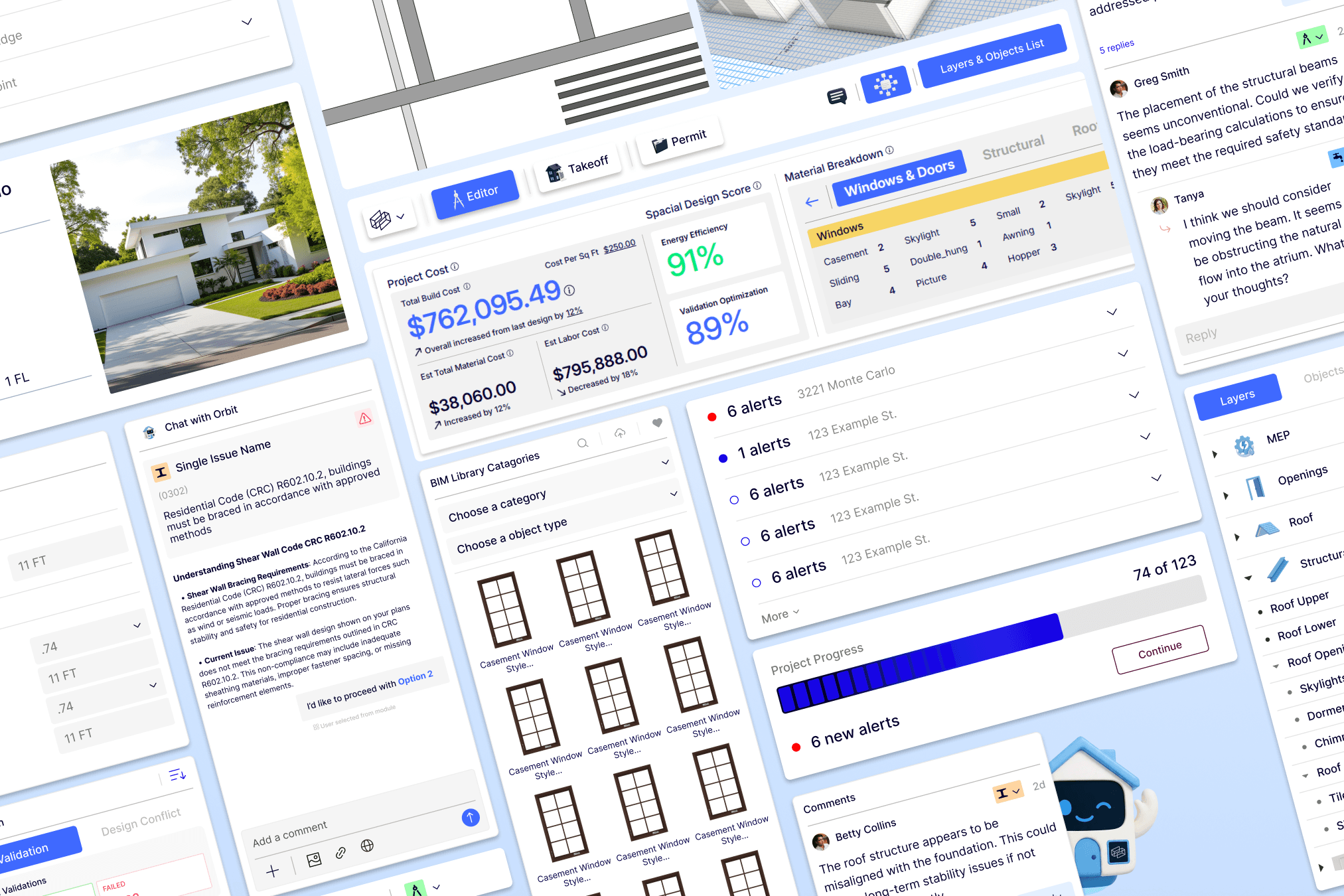
Orbit is the AI intelligence inside Spacial. We use it to reduce ambiguity before submittal.
Practically, Orbit helps:
Flag common misses and inconsistencies that lead to comments.
Surface coordination gaps across the set, especially at the seams.
Turn reviewer language into a clear, trackable fix list.
AI supports the workflow. Licensed engineers own the decisions, review, and stamp.
A simple pre-check habit you can adopt today
Before you submit, ask:
Can someone outside the project explain what changed in under a minute?
Is the governing code and scope stated clearly, not buried?
Do structural, MEP, and energy assumptions align without interpretation?
Would a reviewer find key information without hunting?