CONTENTS
01 · Abstract
02 · System context
03 · Technical breakdown
IBS is full of noise. The signal is always in the details.
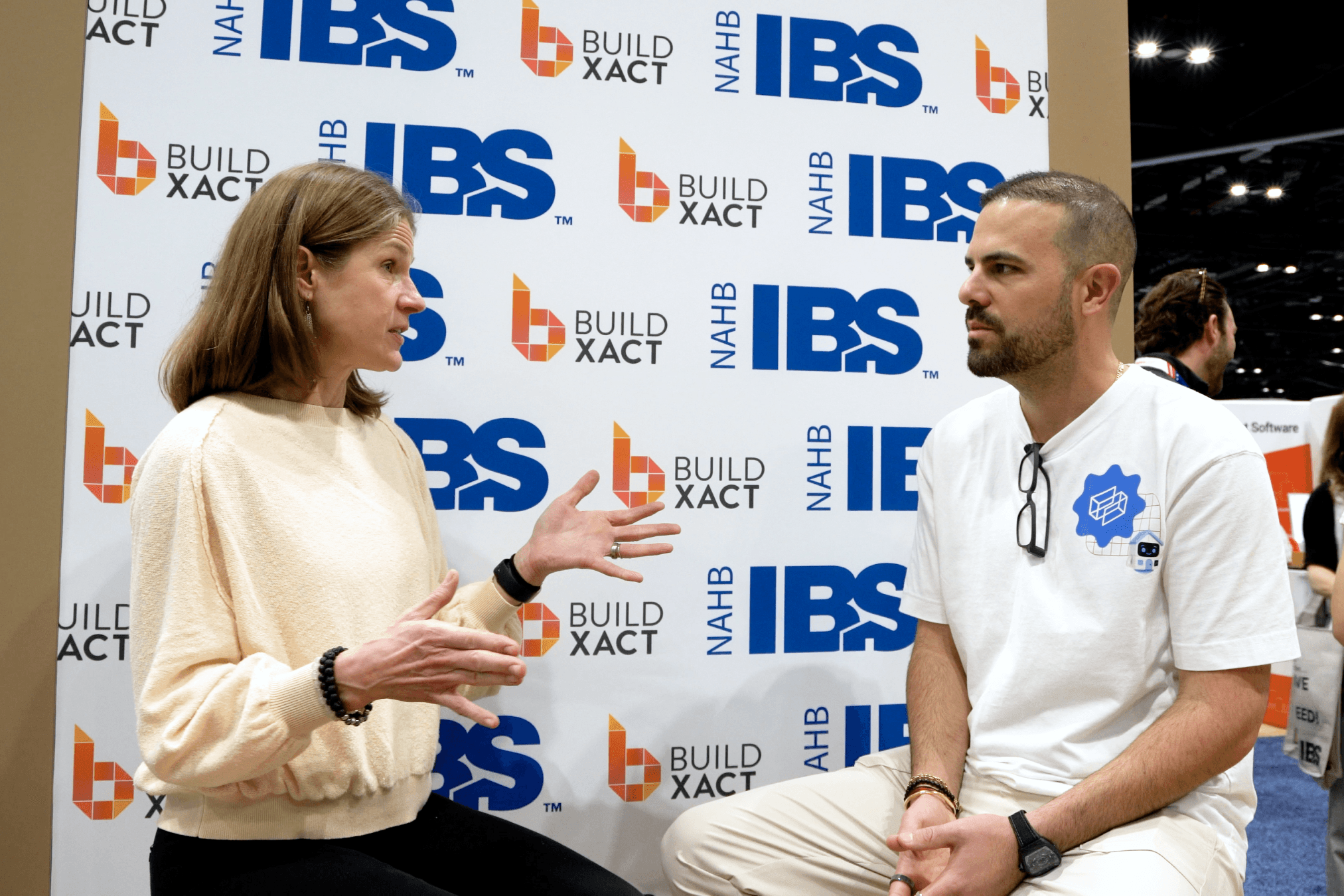
Theo Doussineau from Vault asked Maor a straightforward question: what is Spacial, really?
Maor’s answer was not a buzzword. It was a workflow.
Spacial pairs AI with licensed engineers to turn architectural drawings into a stamped, coordinated structural, MEP, and energy set, typically in 7 to 10 days. The goal is simple: reduce coordination drift early, so you do not pay for it later in plan check and revisions.
The real bottleneck we heard all week
The theme that kept coming up at IBS was time.
Not just one delay. The compounding kind. A week lost to waiting on one discipline becomes another week lost to coordination, then another week lost to resubmittals.
Most teams are not struggling because they lack effort. They are struggling because their process is fragmented.
What Spacial is, in plain language
In the conversation, Maor framed it in a way we like: you can think of Spacial as your permitting partner, your structural engineering partner, or your MEP partner. In practice, it is an end-to-end engineering workflow for producing a complete permit set.
Architects and designers focus on the creative work: floor plans, elevations, the parts that make a home feel right.
Spacial takes the architectural set and produces the coordinated engineering package, with licensed engineers reviewing, finalizing, and stamping the work.
Where AI fits, and where it stops
AI helps move the process forward earlier. It supports checks, surfaces likely conflicts, and helps teams avoid missing context that triggers reviewer questions.
The important part is the handoff: licensed engineers stay responsible for the decisions and the stamp.
Speed matters. Accountability matters more.
Who Spacial is built for
At IBS, Maor shared that it is less about headcount and more about volume. Teams with repeatable work see the biggest benefit because coordination improvements compound across projects.
That includes builders, architects, and engineering partners who want a more predictable way to produce coordinated, stamped sets.
Coverage and scaling responsibly
Spacial supports projects across states, including California, Arizona, Georgia, Florida and Texas.
INSIGHT
Use this module for editorial interpretation, important observations, or reader-facing analysis that should sit outside the main CMS narrative.
MODULE 01
Protocol
MODULE 02
Inputs
MODULE 03
Output
MODULE 04
Risk
IMPORTANT
Reserved for caveats, implementation warnings, or assumptions that change how the article should be interpreted.
65
Blueprint records available for cross-reference.