Engineering needs clarity, not mystery
In structural design, precision is everything. A small decision can shift how an entire building behaves. Technology should strengthen judgment, not erase it. AI is not a black hole that swallows human expertise. It is a system that expands it.
How AI fits into the process
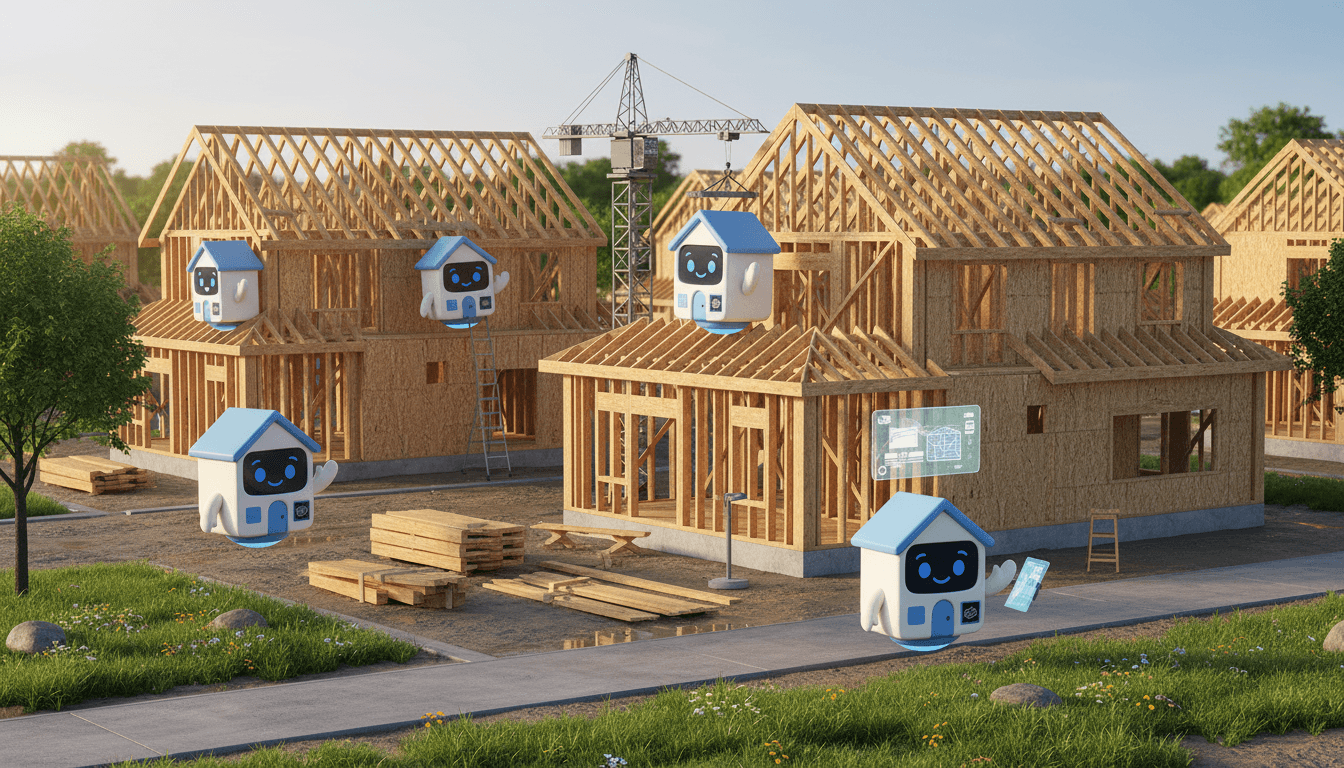
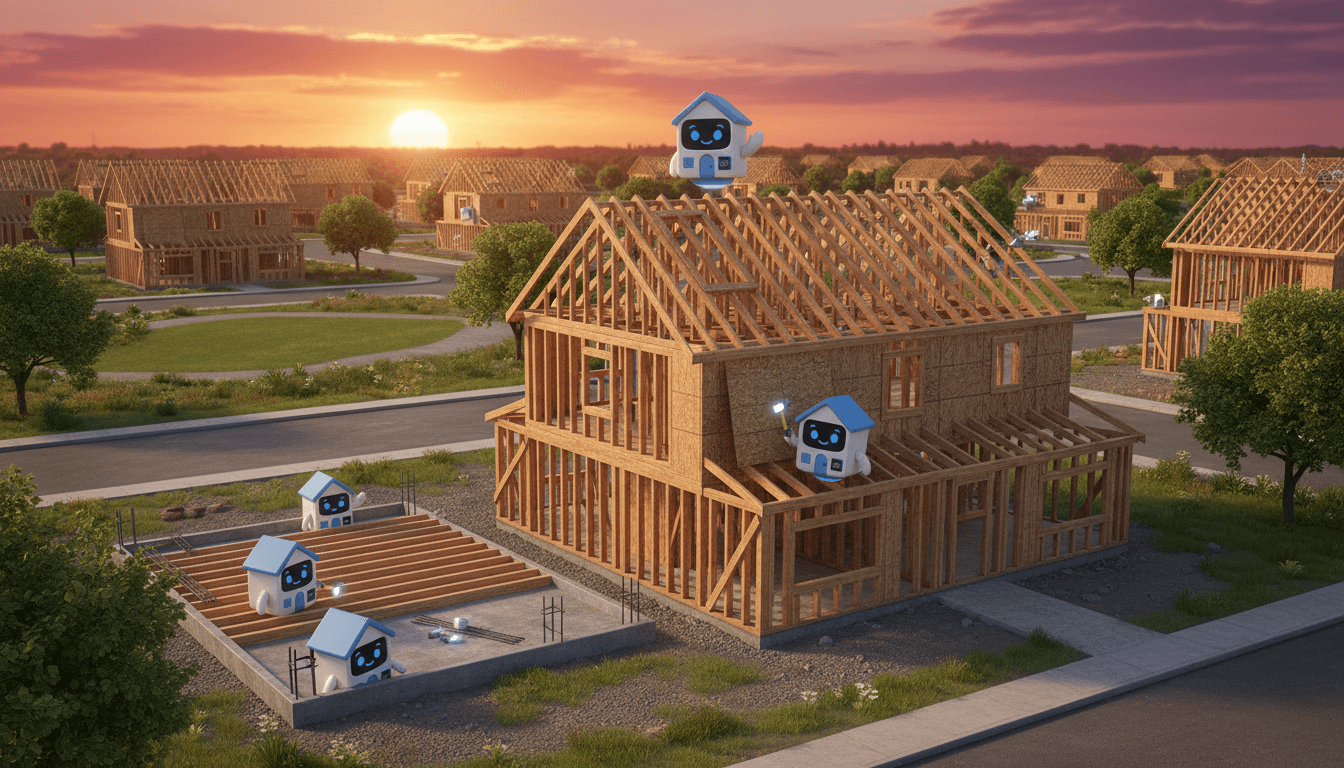
From day zero, AI and licensed engineers work together. AI agents parse architectural drawings, site data, and constraints to build an informed baseline. They generate structural and MEP models, calculate spans and loads, and validate energy and code requirements across jurisdictions.
Before an engineer reviews the model, AI agents for structural and MEP have already communicated to detect potential conflicts and flag code or load issues early. This coordination protects ceiling lines, openings, and mechanical layouts while maintaining the architect’s design intent.
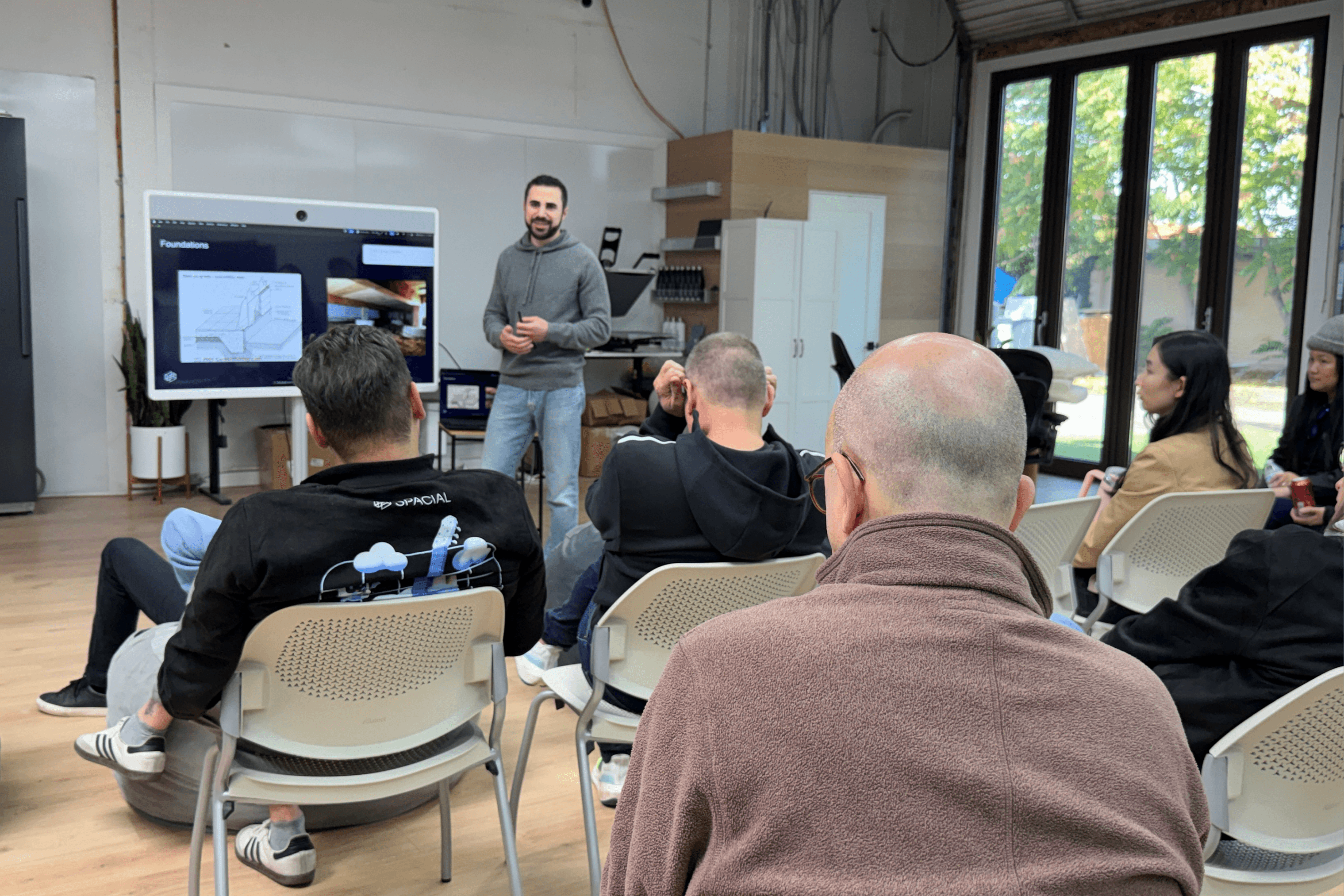
As Tariq explains, AI handles the groundwork so engineers can focus on the real complexity. “You still need engineering judgment to decide how a structure should behave,” he says. “AI helps by making the invisible visible. You can see the impact of a choice before you commit to it.”
The real value of AI in engineering
We are not removing oversight. We are removing friction. AI gives visibility into every decision point so engineers can focus on what matters most: sound design, safety, and constructability.
This pairing preserves design intent and lets the engineer guide the project instead of chasing revisions. The result is clean submittals that pass plan check faster and hold up in the field.
A return to the craft
AI reduces repetitive work and version chaos. It frees engineers to test alternatives, explore envelope performance, and coordinate across systems with precision.
Tariq calls it “a return to the craft.” Instead of spending time on rote tasks, engineers can apply experience where it has the most impact. “You get to think again,” he says. “That is what makes it human.”
Seeing the whole system
Coordination is the unlock. Structural and MEP AI agents do not work in isolation. They communicate early, testing load paths, energy performance, and routing conflicts before human review. By the time an engineer steps in, the system is already synchronized, with fewer surprises, fewer redlines, and faster approvals.
It is a workflow that connects design intent to compliance without losing creativity in the process.
Building with confidence
At Spacial, every model is transparent, every decision traceable, and every set stamped by a licensed professional.
AI does not replace judgment. It extends its reach and makes the process visible. The result is design clarity and engineering confidence at every step.
See it in action
Learn how the system works and sign up for early access: spacial.io/technology