Solar and storage.

See how production, roof, use, storage and rate assumptions change a monthly energy balance.

Review the appliance subtotal

Plan A is — for listed appliances. Solar needs whole-house annual electricity; use a bill total or include missing appliances. Gas fuel is excluded.

Only annual kWh changes. Monthly solar and use weights, equipment, daytime share, and rates stay unchanged and need your review. The weekly appliance schedule does not set monthly weights.

Current annual-use field: —.

Your scenario

Editable

Solar production

1,400 kWh/kW is an illustrative placeholder, not a local forecast. If your yield already includes system losses, leave additional loss at 0%.

Roof area screen optional

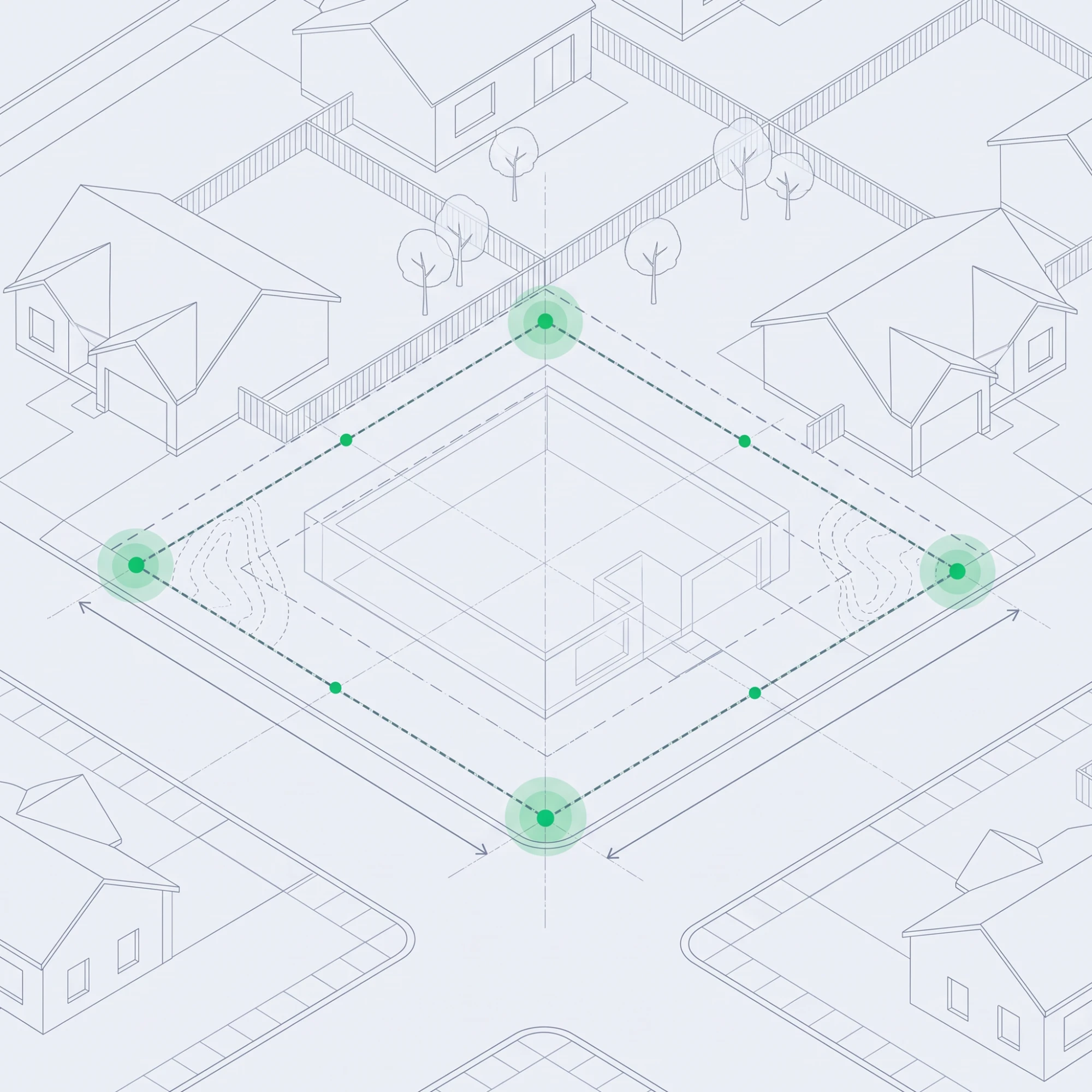
Area-only DC ceiling = candidate roof area × coverage × module efficiency × 1 kW/m². Enter roof-plane area before module coverage; if you know actual module area, set coverage to 100%. Tilt, setbacks, shading, structure, and equipment fit need a site review.

Home use

Daytime means the simplified solar-production period; actual timing varies by season and weather.

Monthly profiles editable weights

Each column is normalized to its annual total. The initial 31/28/30 values give flat daily production and use. Enter monthly PVWatts AC energy and utility-bill kWh as relative weights; also set annual specific yield from PVWatts annual AC energy ÷ DC kW. These entries are not a live data feed.

MonthSolar weightUse weight

Battery

Charging uses surplus solar only. This model does not size battery power, backup circuits, or outage duration.

Electricity rates optional

Enter both rates for a simple energy-only bill comparison. Fixed fees, taxes, time-of-use periods, and tariff rules are excluded.

What the model shows

Live scenario
Net solar generation—kWh / year
Home use served on site——
Grid imports—kWh / year
Grid exports—kWh / year

Where solar energy goes

— kWh
Direct to home — Sent to battery — Exported —

How home use is covered

— kWh
Direct solar — Battery delivered — Grid imports —

Simple annual bill delta

Add both electricity rates to see an energy-only comparison.

—

Compare scenarios

Same monthly production and use in each case. Storage uses only surplus solar within that month.

Scroll horizontally ↔

ScenarioGrid imports
kWh/yr
Grid exports
kWh/yr
On-site shareEnergy-only cost
No solar————
Solar only————
Solar + storage————

Monthly energy flow

Values are kWh per month for the solar + storage scenario. Import and export can both occur in a month because the model separates a representative daytime and nighttime demand.

Scroll horizontally ↔

MonthSolarUseDirectBatteryImportExport

Compare revisions

Keep comparison

Keep current inputs as A, then edit to compare.

MetricScenario ACurrent

Review assumptions

Changed values are marked. Monthly weights run Jan–Dec and normalize to annual totals.

Scroll horizontally to review all assumptions.

InputScenario ACurrent

Kept only in this tab. Downloads contain only the current scenario. Reset or a successful import clears A.

How it works

Calculation steps and sources

Annual solar = effective PV size × user-entered specific yield × (1 − additional planning loss). If candidate roof area is entered, effective PV size is the lesser of requested size and an area-only DC capacity ceiling. The roof equation uses 1 kW/m² standard-test irradiance, the selected module efficiency, and a user-entered roof-coverage allowance. It does not test fit or structural adequacy.

The 12 solar and use weights each normalize to 100% of their annual total. In each month, solar first serves a user-selected daytime share. Surplus can charge the battery; delivered energy is bounded by surplus × round-trip efficiency, usable output capacity × days in the month, and nighttime use. No energy carries between months. The comparison repeats this calculation with no battery and with no solar. It does not simulate hourly charging, power limits, outages, or a tariff's billing period or net-metering rules.

NREL PVWatts estimates location-specific PV production from weather and system inputs and reports monthly energy. Its technical manual describes hourly modeling and monthly aggregation. This tool does not call PVWatts; enter its monthly AC outputs as weights if you have them. For roof constraints, see DOE rooftop-potential guidance.

Energy balance—Solar + imports = household use + exports + battery conversion loss.

Illustrative example loaded. This local model uses 12 representative months and one average day within each month. It is not live PVWatts, an hourly dispatch, a utility tariff forecast, an equipment recommendation, or construction design. Free tools terms.

Solar + storage scenario · illustrative examplePlanning only · no project engagement · spacial.io/legal/terms-conditions#free-tools

Thank you! Your submission has been received!
Oops! Something went wrong while submitting the form.

SPACIAL / PROJECT SUPPORT

Need help with your project?